
Emergency Car Repair Loans for Bad Credit: Fast Funding
Emergency car repair loans for bad credit can cover urgent fixes fast. Compare offers, understand costs, and get back on the road without wrecking your budget.

By Mia Turner
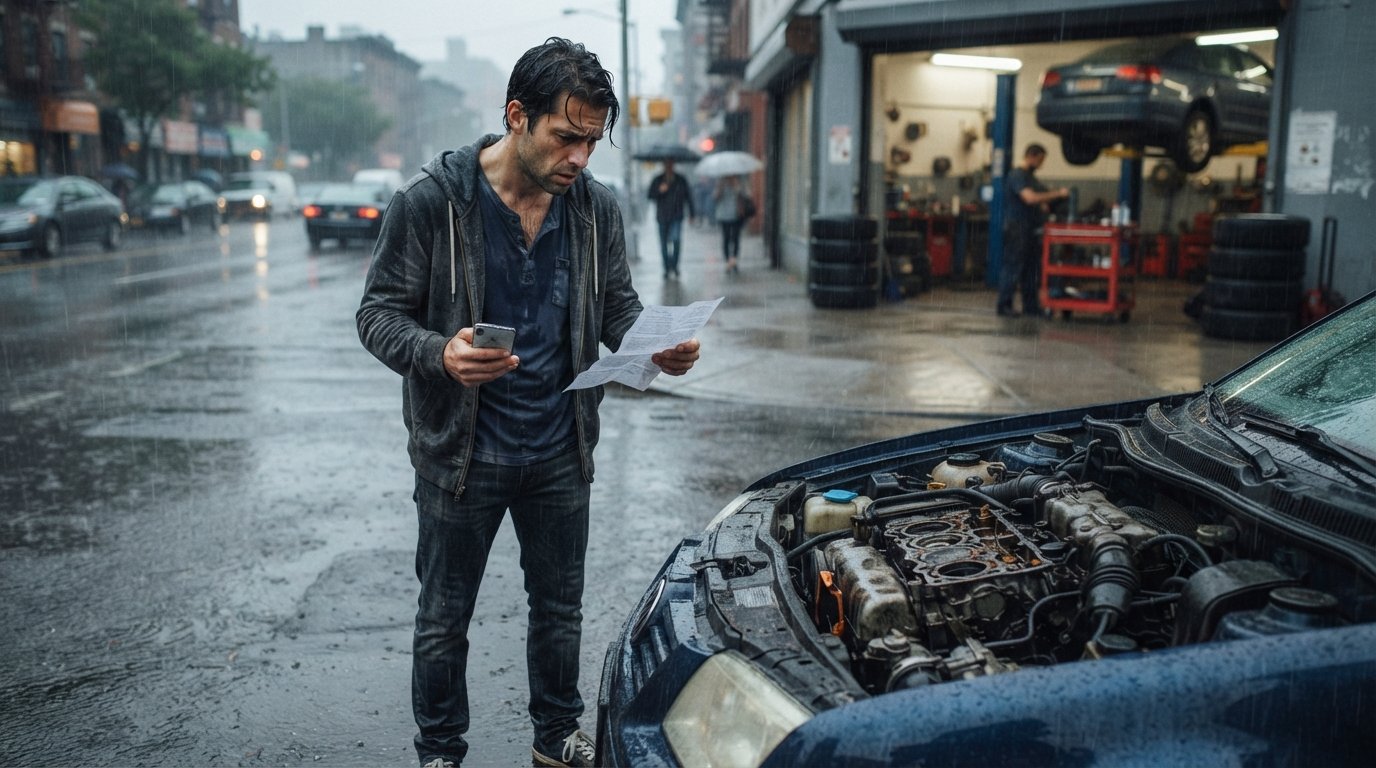
A sudden transmission failure, a blown head gasket, or a broken brake line can turn your daily routine upside down in seconds. When your car stops running, you are not just dealing with a mechanical problem: you are facing missed work shifts, canceled appointments, and the stress of finding another way to get your kids to school. If your credit history is less than perfect, the pressure feels even heavier because traditional banks often turn you away when you need help the most. The good news is that emergency car repair loans for bad credit exist, and they are designed specifically for situations like yours. This guide explains how these loans work, where to find them, what they cost, and how to choose the right option so you can get back on the road without wrecking your finances.
Why Car Repairs Create a Unique Financial Emergency
Most emergencies give you some wiggle room. A medical bill can be paid in installments. A home repair can sometimes wait a week or two. A car repair is different because your vehicle is often the single tool that connects you to your income. Without it, you cannot commute, you cannot make deliveries, and you cannot show up for shifts. That makes a repair bill an urgent, non-negotiable expense, even when your bank account is already stretched thin.
Repair costs have also climbed sharply in recent years. Parts shortages, advanced vehicle electronics, and higher labor rates mean that what used to be a $300 fix can now easily run $1,200 or more. According to industry data, the average repair bill for major components like transmissions and engines frequently exceeds $3,000. For households living paycheck to paycheck, that kind of number is simply impossible to absorb without outside help.
This is exactly the gap that emergency car repair loans are built to fill. Rather than relying on credit cards with high utilization ratios or borrowing from friends and family, you can request a short-term loan designed to cover the repair and repay it over a defined schedule. When your credit score is low, these loans may still be within reach because many lenders in the short-term space look at more than just your FICO score.
How Emergency Car Repair Loans for Bad Credit Work
An emergency car repair loan is a short-term financing product, usually offered as either a payday loan, an installment loan, or a personal loan, that you use to pay a mechanic or auto shop. The lender does not care what the money is for in most cases; you simply request the amount you need, receive the funds, and pay the shop. The loan is then repaid according to the terms you agreed to, which may range from a single repayment on your next payday to a series of monthly installments over several months.
What makes these loans accessible to people with bad credit is the underwriting process. Many lenders focus on your current income, your employment stability, and your ability to repay rather than obsessing over past credit missteps. Some lenders also accept collateral, such as the vehicle itself, which lowers their risk and can improve your approval odds. Others offer unsecured loans with no collateral requirement but may charge higher rates to compensate for the added risk.
Here is the typical flow you can expect when you apply for an emergency car repair loan:
- Submit an online request with basic personal, employment, and banking information.
- Get matched with one or more lenders who are willing to work with your credit profile.
- Review the loan terms, including the APR, fees, repayment schedule, and total cost.
- Accept the offer that fits your budget and receive funds, often as soon as the next business day.
- Pay the repair shop and begin repaying the loan according to the agreed schedule.
The speed of this process is one of its biggest advantages. When your car is sitting in the shop and every day without it costs you money, waiting a week for a bank decision is not realistic. A streamlined online request can connect you with lenders in minutes, and the money can land in your account quickly enough to authorize the repair before storage fees pile up. Platforms like 4Payday exist to help consumers compare short-term lending options, and they can be a useful starting point when you are exploring what is available for your situation.
Types of Loans You Can Use for Car Repairs
Not all emergency loans are structured the same way, and the right choice depends on how much you need, how quickly you can repay, and whether you can put up collateral. Understanding the main categories will help you avoid a product that creates more problems than it solves.
Payday loans are the smallest and fastest option. They are typically repaid in a single lump sum on your next payday, and they are best suited for smaller repairs, such as a battery replacement or a minor belt fix. Installment loans let you spread repayment over several months, which makes them a better fit for larger repairs like a new alternator or a catalytic converter. Personal loans from online lenders can also work if you qualify, and they often come with lower rates than payday products, though approval standards may be stricter.
Secured auto title loans use your car as collateral. They can offer larger amounts and may be easier to get with bad credit, but they carry the risk of losing your vehicle if you default. For most borrowers, an unsecured installment loan is the safer middle ground when the repair cost is moderate. If you are also dealing with other pressing expenses at home, you may find it helpful to read about home repair loans and smart funding fixes, since the same short-term lending principles often apply to both situations.
Before you commit to any product, ask yourself three questions: How much is the repair? How much can I comfortably repay each month? And what happens if I miss a payment? The answers will point you toward the loan type that makes the most sense for your budget.
How to Qualify With Bad Credit
Bad credit does not automatically disqualify you from emergency car repair financing, but it does change the landscape. Lenders who work with subprime borrowers typically look for compensating factors that show you can handle a new obligation. Meeting those factors head-on gives you the best shot at approval.
Most lenders will want to see proof of steady income. That can come from a traditional job, self-employment, gig work, or even regular government benefits, depending on the lender. They will also check that you have an active checking account, because funds are usually deposited electronically and repayments are withdrawn the same way. A valid driver's license or state ID and a working phone number or email address round out the basic requirements.
Here are the documents and details you should have ready before you apply:
- Government-issued photo ID and your Social Security number
- Recent pay stubs, bank statements, or other proof of income
- Your checking account and routing numbers
- Vehicle information and the repair estimate from the shop
- A list of your monthly obligations so you can assess affordability
Having these items organized speeds up the process and reduces the chance of a denial based on incomplete information. It also helps you compare offers accurately, because you will know exactly what you can afford before you accept anything.
What These Loans Cost and How to Compare Offers
Cost is where emergency borrowing can go wrong if you are not careful. Short-term loans for bad credit almost always carry higher APRs than prime bank loans, because the lender is taking on more risk. That does not mean they are automatically a bad deal, but it does mean you need to read the fine print and compare the total cost of repayment, not just the monthly payment.
The key numbers to look at are the APR, the origination fee, any late payment fees, and the total amount you will pay over the life of the loan. A $500 loan repaid over two weeks might cost $75 in fees, while the same $500 repaid over six months could cost $150 or more in interest. Neither is inherently wrong, but you need to know which one you are signing up for.
When you receive multiple offers, compare them side by side using a simple framework:
- Total repayment amount, not just the monthly payment
- APR and whether it is fixed or variable
- Repayment timeline and whether early payoff is allowed without penalty
- Collateral requirements and the consequences of default
- Lender reputation, customer reviews, and licensing in your state
Taking an extra ten minutes to compare offers can save you hundreds of dollars. It can also protect you from predatory terms that turn a temporary setback into a long-term debt cycle.
Alternatives to Consider Before You Borrow
A loan is not the only way to handle a car repair emergency, and for some people it is not the best way. Before you sign anything, run through the alternatives to make sure you are choosing the most affordable path available to you.
Start by asking the repair shop whether they offer payment plans or work with a financing partner. Many independent mechanics and chain shops have relationships with lenders that specialize in auto repair financing, and those programs sometimes come with promotional rates for qualified borrowers. You can also ask whether the repair can be done in stages, prioritizing safety-critical work now and cosmetic or less urgent work later.
If you have a credit card with available credit, using it for the repair may be cheaper than a short-term loan, especially if you can pay the balance before interest accrues. A credit union personal loan is another option, and credit unions are often more willing than banks to work with members who have imperfect credit. Finally, community assistance programs, church funds, and nonprofit organizations sometimes provide emergency grants for car repairs, particularly for low-income households.
If none of those options pan out, a short-term loan may be the practical choice. Just make sure it is a deliberate decision based on the numbers, not a panic response to pressure from the shop.
Steps to Get Funded Quickly
When you have decided to move forward with a loan, speed matters. The repair shop is waiting, and every day of delay adds cost and inconvenience. Following a clear sequence keeps the process moving and reduces the chance of errors that slow things down.
First, gather your documents and your repair estimate. Second, submit a request through a platform that connects you with multiple lenders, so you can see several offers at once rather than applying one by one. Third, review each offer carefully and choose the one with the lowest total cost that still fits your budget. Fourth, complete the lender's verification steps, which may include income verification or a quick phone call. Fifth, receive your funds and pay the shop directly.
Throughout the process, communicate with your mechanic. Let them know you are arranging financing and ask whether they can hold the vehicle or begin work while you finalize the loan. Many shops are willing to work with customers who are actively solving the payment problem, especially if you are upfront about the timeline.
Protecting Yourself From Predatory Lending
The short-term lending industry includes many legitimate, licensed lenders, but it also includes bad actors. Protecting yourself starts with verification. Check that the lender is licensed in your state, read reviews from multiple sources, and be skeptical of anyone who pressures you to sign immediately or promises approval without any documentation.
Never pay an upfront fee to a lender before receiving funds. Legitimate lenders deduct fees from the loan proceeds or disclose them clearly in the agreement; they do not ask you to wire money or buy gift cards to secure a loan. If something feels off, walk away and find another option. Your credit and your bank account are worth protecting, even in an emergency.
Finally, borrow only what you need. It is tempting to add a little extra for peace of mind, but every additional dollar increases your repayment burden. Stick to the repair estimate, and if the final bill comes in lower than expected, you can always adjust your plans from a position of strength.
Getting your car back on the road does not have to mean sacrificing your financial stability. With the right preparation, a clear comparison of offers, and a realistic repayment plan, emergency car repair loans for bad credit can be a practical bridge over a temporary crisis. Take the time to understand the terms, choose a licensed lender, and borrow only what the repair truly requires. When you do, you turn a stressful breakdown into a manageable detour, and you keep control of your money while you get back to your life.